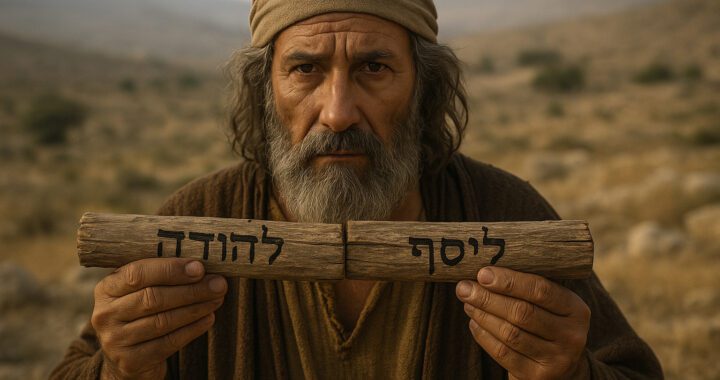
Ezekiel's Two Sticks

Ezekiel 37:15-28 and Elements of God’s Future Promises to Israel

The Prophet Ezekiel was called to an unusual but important ministry to the captives of Judah in Babylon. Despite his unusual methods (e.g., symbolic acts) and extraordinary visions (e.g., Ezek 40–48), his overall message is clear and provides insight into God’s plan for Israel.   The Context of Ezekiel’s Prophecy of the Two Sticks Ezekiel was taken captive in the second wave of the Babylonian Captivity when King Jehoiachin was taken captive in 597 BC (Ezek 1:2). Ezekiel then spent the remainder of his life in exile in Babylon, ministering to the captives that lived by the river Chebar (1:1, 3).
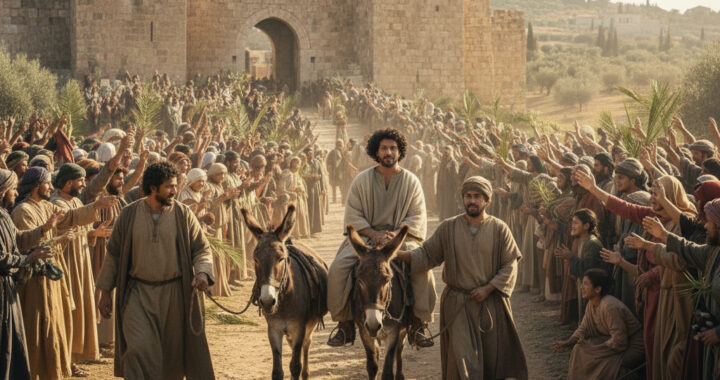
Jesus' Triumphal Entry

Fulfilled Messianic Prophecies from the Book of Zechariah

Among the most intriguing prophetic sections of the Bible are the prophecies of Zechariah which are contained in the book that bears his name. Zechariah is teeming with Messianic prophecies, recording some of the most detailed Messianic predictions. Some of Zechariah’s prophecies await future fulfillment (e.g., Zech 14:1-4). However, many of Zechariah’s Messianic prophecies relate to the first advent of Christ and are specifically identified as fulfilled by the Gospel authors in the events surrounding Christ’s Passion.1 Our modest goal of this study is to survey Zechariah’s fulfilled, first-advent Messianic prophecies and to offer some principles that we can learn from these passages.
Parchment on Table

The Fulfillment of Daniel’s “70 Weeks” Prophecy

One unique and interesting facet of biblical literature is the existence of predictive prophecy. I am always encouraged by the cohesiveness of God’s word when I read in Scripture of a prophecy coming to fruition. One such prophecy is the “coming and cutting off of the Messiah” predicted in Dan 9, referring to the arrival of the Messiah to his people and his subsequent crucifixion. The goal of this article is to briefly survey this prophecy from Dan 9, as well as observe its fulfillment in Luke 19.

God’s Kingdom Program in the New Testament: A Biblical Theological Overview Part 2

Introduction The kingdom of God is a complex biblical theme that spans across the two testaments. This article continues a very brief biblical/theological overview of the kingdom theme. The former article considered precursors to the kingdom theme, the foundation of the kingdom of God theme in the Davidic Covenant, and selected predictions of the kingdom in the Prophetic Books. Specifically, the previous article concluded that the concept of the kingdom of God (which is different than His sovereign rule over all creation), takes on definite shape in the Davidic Covenant, which promises that David will have a descendant who will rule over an earthly and eternal kingdom (2 ‍Sam 7:16).

God’s Kingdom Program in the Old Testament: A Biblical Theological Overview Part 1

Introduction The kingdom of God is a prominent and multi-faceted biblical theme. Kingdom concepts can be found in virtually every biblical book, and it touches on a wide range of biblical ideas. While it is debatable whether the kingdom of God is the over-arching theme of the Bible, it certainly is a theme that transcends several eras of biblical history and binds together several strands of biblical revelation. The goal of this article is to give a brief biblical/theological overview of the kingdom theme in the Old Testament.

The Task of Exegesis

One of the hallmarks of The Fundamentals1 was its high view of Scripture. This emphasis resulted naturally from the historical challenges posed by modernism.2 With its historical skepticism, Modernism questioned not only the authorship and dates of biblical books, but also denied the supernatural content that is recorded in those books. As a result, The Fundamentals sought to defend the accuracy and authority of the Bible from its detractors. As one peruses the table of contents of The Fundamentals, one sees a number of articles that relate directly to a high view of Scripture and its authenticity.