Jeremiah 33 and the Certainty of God’s Future Promises to Israel
By Dr. Keith Kobelia / September 15, 2026
Does God have a future plan for Israel? The prophet Jeremiah answers that question with an emphatic affirmative. While the bulk of Jeremiah’s prophecies concern coming judgment, the Book of...
Read More
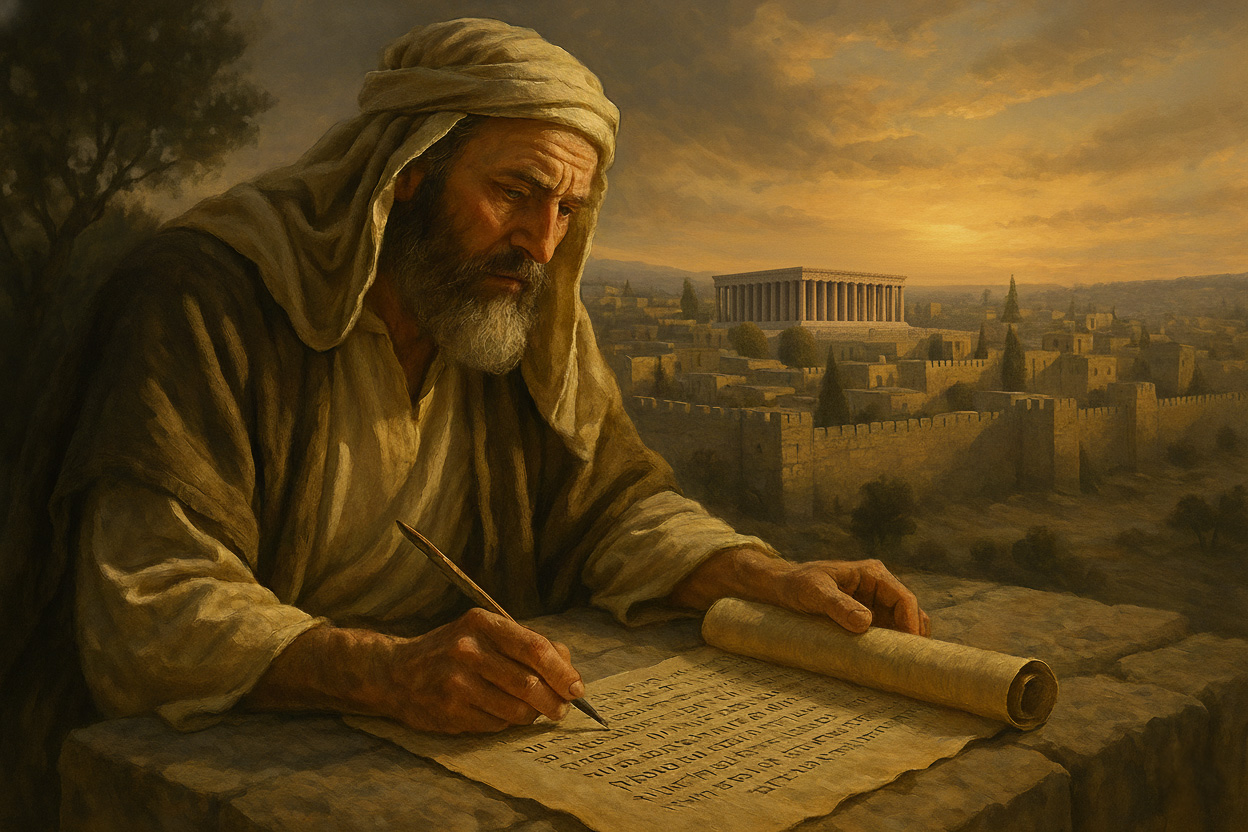
BLESSING AND DOMINION: The Role of Israel in God’s Restorative Purpose for Creation
By Dr. Mark Lounsbrough / July 1, 2026
The Bible is a storyline spanning Genesis to Revelation, replete with interactive themes similar to subplots that contribute to the main plot of a novel. Scholars summarize the key theme...
Read More
James Montgomery Boice relayed the account of Frederick the Great, king of Prussia, conversing with his chaplain concerning the reliability of the Scriptures.((James Montgomery Boice, Romans (Grand Rapids: Baker, 1993),...
Read More

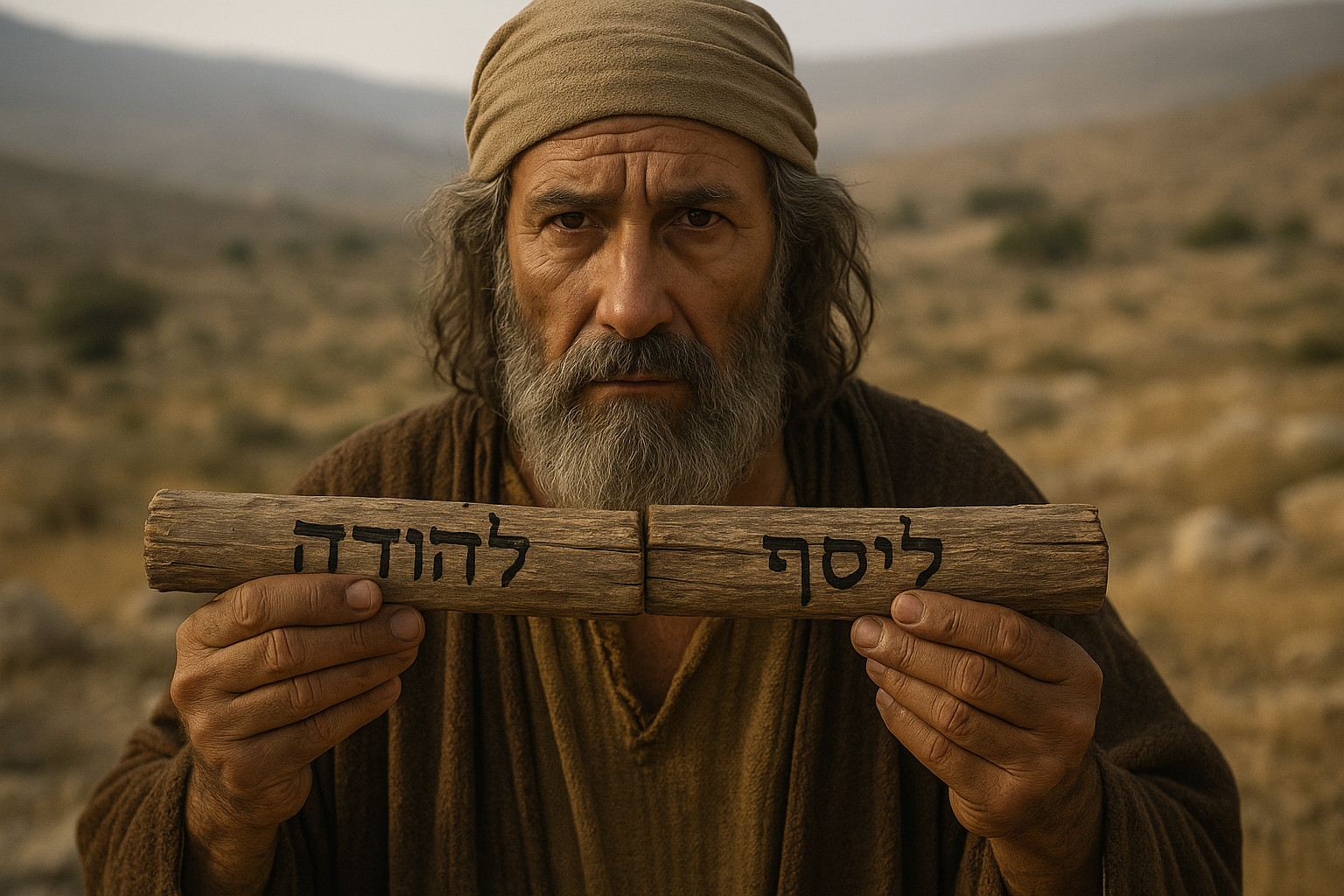
Ezekiel 37:15-28 and Elements of God’s Future Promises to Israel
By Dr. Keith Kobelia / January 30, 2026
The Prophet Ezekiel was called to an unusual but important ministry to the captives of Judah in Babylon. Despite his unusual methods (e.g., symbolic acts) and extraordinary visions (e.g., Ezek...
Read More
Jeremiah 33 and the Certainty of God’s Future Promises to Israel
Does God have a future plan for Israel? The prophet Jeremiah answers that question with an emphatic affirmative. While the bulk of Jeremiah’s prophecies concern coming judgment, the Book of Consolation (Jer 30–33) gives hope that God is not finished with His chosen nation. Jeremiah 33 brings Jeremiah’s brief section of comfort to a close, specifically restating some of the LORD’s promises for Israel and the certainty that He will honor His promises to the nation.
The Context of Jeremiah’s Prophecy
The content of Jeremiah 33 was given to the prophet when he was imprisoned in the court prison (v.
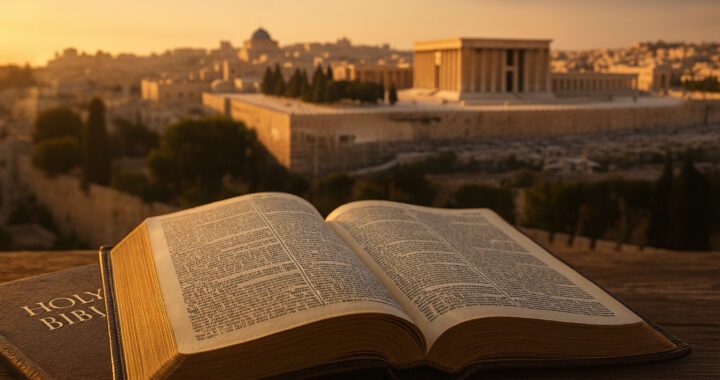
BLESSING AND DOMINION: The Role of Israel in God’s Restorative Purpose for Creation
The Bible is a storyline spanning Genesis to Revelation, replete with interactive themes similar to subplots that contribute to the main plot of a novel. Scholars summarize the key theme of God’s story in different ways. The term “restoration” captures the Biblical narrative well. The storyline from Genesis to Revelation unfolds God’s plan to restore what Adam’s race lost in disobedience to its Creator. A major theme in the restoration process is the nation of Israel.
Through a series of covenants, God chose Israel to be the channel through whom ultimate restoration would happen.

A Future for Israel in Romans 9-11
James Montgomery Boice relayed the account of Frederick the Great, king of Prussia, conversing with his chaplain concerning the reliability of the Scriptures.1 “If your Bible is really from God,” insisted the monarch, “you should be able to demonstrate the fact simply. Give me proof for the inspiration of the Bible in a word.” The undaunted chaplain responded, “Your Majesty, it is possible for me to answer your request literally. I can give you the proof you ask for in one word.”
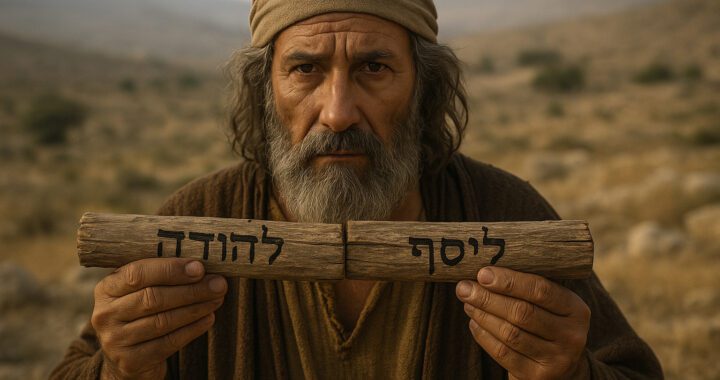
Ezekiel 37:15-28 and Elements of God’s Future Promises to Israel
The Prophet Ezekiel was called to an unusual but important ministry to the captives of Judah in Babylon. Despite his unusual methods (e.g., symbolic acts) and extraordinary visions (e.g., Ezek 40–48), his overall message is clear and provides insight into God’s plan for Israel.
The Context of Ezekiel’s Prophecy of the Two Sticks
Ezekiel was taken captive in the second wave of the Babylonian Captivity when King Jehoiachin was taken captive in 597 BC (Ezek 1:2). Ezekiel then spent the remainder of his life in exile in Babylon, ministering to the captives that lived by the river Chebar (1:1, 3).
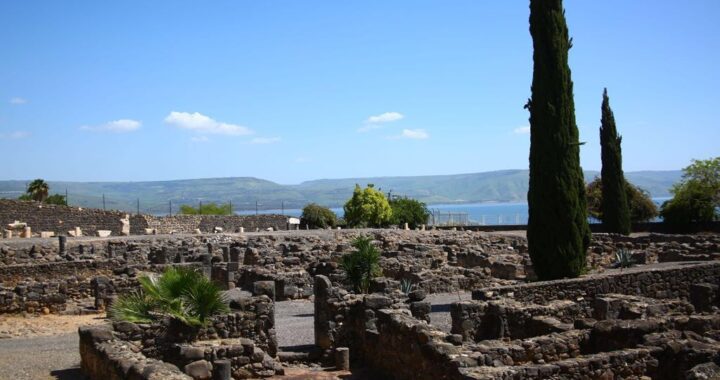
Why the Promises to Israel Matter Today
Orthodoxy1 always precedes orthopraxy.2 Correct doctrine always precedes correct practice. No one can function with biblical practice and methodology without first having correct beliefs in place. Wrong theology will ultimately lead to errors in practice. Virtually every aberrant practice can be traced back to errors of theology. This truth is seen throughout Bible history and well as church history. This principle of ministry serves as an undeniable truth for every aspect of both doctrine and practice. Theology is about connections within doctrines and these connections inevitably end up in the practice of ministry.
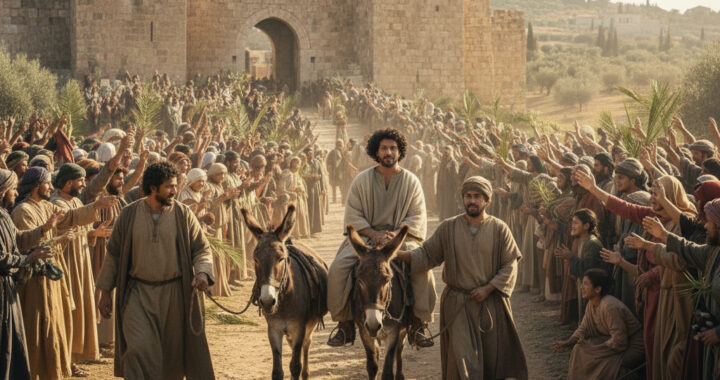
Fulfilled Messianic Prophecies from the Book of Zechariah
Among the most intriguing prophetic sections of the Bible are the prophecies of Zechariah which are contained in the book that bears his name. Zechariah is teeming with Messianic prophecies, recording some of the most detailed Messianic predictions.
Some of Zechariah’s prophecies await future fulfillment (e.g., Zech 14:1-4). However, many of Zechariah’s Messianic prophecies relate to the first advent of Christ and are specifically identified as fulfilled by the Gospel authors in the events surrounding Christ’s Passion.1
Our modest goal of this study is to survey Zechariah’s fulfilled, first-advent Messianic prophecies and to offer some principles that we can learn from these passages.
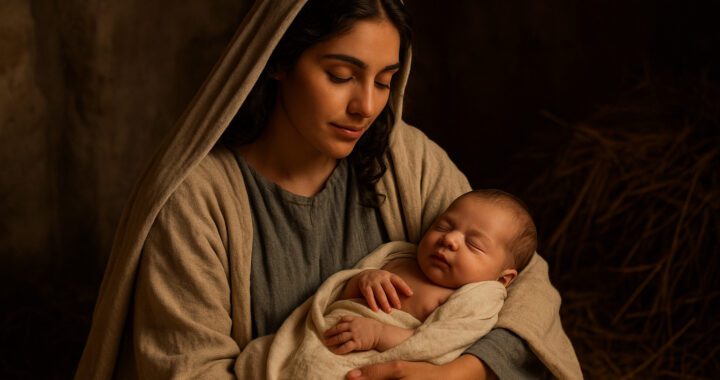
The Virgin in Isaiah 7:14
INTRODUCTION
According to the Gospel of Matthew, the virgin Mary was found to be with child of the Holy Spirit. Jesus the Messiah was miraculously conceived, and, several months later, God was with us. The birth of the Messiah took place in this way, according to Matthew 1:23, in fulfillment of a prophecy—“Look! The virgin will be pregnant and give birth to a son. They will call his name ‘Immanuel’ which is translated, ‘God with Us.’”
From Matthew’s account, the virgin birth of Jesus the Messiah is miraculous but simple, and straightforward.

Joseph’s Prophetic Dreams and Their Fulfillment
Genesis 37-50 records the incredible account of Joseph, his dysfunctional family, and God’s faithfulness through it all. Joseph’s prophetic dreams during his youth sustained him in his making wise choices throughout his life. Joseph had additional opportunities in the narrative to interpret dreams for the baker, the cupbearer, and for the great Pharaoh. But the ones we will focus on concern the dreams of his eventual exaltation above his brothers.
This prophecy of exaltation has several unique features. First, in a narrow sense, it was focused on just one person—Joseph himself.

The Fulfillment of Daniel’s “70 Weeks” Prophecy
One unique and interesting facet of biblical literature is the existence of predictive prophecy. I am always encouraged by the cohesiveness of God’s word when I read in Scripture of a prophecy coming to fruition. One such prophecy is the “coming and cutting off of the Messiah” predicted in Dan 9, referring to the arrival of the Messiah to his people and his subsequent crucifixion. The goal of this article is to briefly survey this prophecy from Dan 9, as well as observe its fulfillment in Luke 19.

Fulfilled Prophecy in Daniel 2 & 7
The hiker who ascends the lofty mountain and pauses to view the landscape below him can see in one panoramic view the entire forest and its relationship to the landscape around it. The interpreter of the book of Daniel is like this hiker. The student of this book receives a panoramic view of the forest of prophecy and how this forest relates to the theological landscape of God’s sovereign plan. In essence, when one studies the book of Daniel the individual is looking at the big prophetic picture.