Virgin in Isaiah 7

The Virgin in Isaiah 7:14

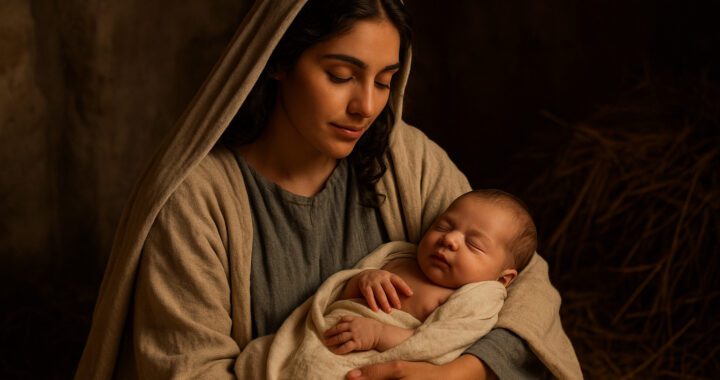
INTRODUCTION According to the Gospel of Matthew, the virgin Mary was found to be with child of the Holy Spirit. Jesus the Messiah was miraculously conceived, and, several months later, God was with us. The birth of the Messiah took place in this way, according to Matthew 1:23, in fulfillment of a prophecy—“Look! The virgin will be pregnant and give birth to a son. They will call his name ‘Immanuel’ which is translated, ‘God with Us.’” From Matthew’s account, the virgin birth of Jesus the Messiah is miraculous but simple, and straightforward.
Babylonian King

Israel’s Future Enemy: The King of Babylon in Isaiah 14:4–21

The Bible has much to say about Israel—past, present, and future. This small plot of land, this scattered people throughout the world, are precious in the sight of the Lord (Zech 2:8). The prophets prophesied a bright future filled with abundance and blessing. On the eve of blessing, however, will be a time of great trial. The persecutor of Israel will prevail, conquering rulers, brutally ruling over his own people, and leading a worldwide persecution of the Jewish people. Israel’s deliverer will not come from a political alliance, but from the true King of Kings who will usher in a time of eternal blessing.

The Viewpoint of Ecclesiastes: Cynicism or Realism?

The book of Ecclesiastes is a conundrum to many people. Does it express a cynical view of life, or does it describe how a believer is to enjoy life? Our understanding of how to interpret this book makes a significant difference in how we apply it to our lives. In this issue of the Faith Pulpit Tim Little, professor of Old Testament at Faith Baptist Theological Seminary, explores the differing views of how to interpret Ecclesiastes and gives his studied conclusions.

Encouraging the Pursuit of Joy

In the preceding article Prof. Little presented his conclusion that Qoheleth did not have a cynical view of life but rather was a wise, godly man who encouraged the pursuit of joy in the midst of the vanities of life. “There is nothing better for a man than that he should eat and drink, and that his soul should enjoy good in his labor. This also, I saw, was from the hand of God” (2:24).1) This text is the first of seven passages explaining how one should live in light of the vanity in this world.2 In this article Prof.

What Is New Covenant Theology?

Over the past few years, the Faith Pulpit has alerted its readers to some aberrant theological movements and positions, e.g., the Emerging Church, the New Perspective on Paul, and the Redemptive-Movement Hermeneutic. These views may seem obscure at first, but they eventually make their way into the life and practice of a church. Several elements of the Emerging Church movement are already showing up in churches outside that movement. This issue of the Faith Pulpit examines another doctrinal issue that pastors and church leaders should be aware of.

The Value of Bible Software for Ministry, Part 2

Choosing the Right Bible Software: A Closer Look at BibleWorks and Accordance There are numerous Bible software programs available to students of God’s Word. We will raise three basic factors to consider in choosing the right program for your circumstances. First, consider the cost. For the most part, you get what you pay for, because most of the databases for biblical research (e.g., various Bible translations, lexicons, and dictionaries) are available to any software maker. While some of the databases are public domain and are therefore free, other databases cost money.

The Value of Bible Software for Ministry, Part 1

Never before has there been a more exciting time to study the Word of God. Resources that at one time were available only to a few privileged people are now available to anyone with a computer. Over the last two decades, Bible software has made incredible leaps in providing students of the Word of God with powerful tools for exegesis. Both of us have used Bible software programs extensively in our education, teaching, and church ministries. Barely a day goes by when we are not using our respective research programs for classes, sermon and lesson preparation, scholarly research, or simply for devotions.